Research & Publications
Peer-reviewed research advancing health informatics in South Sudan — every study below has passed our research committee's review before publication.
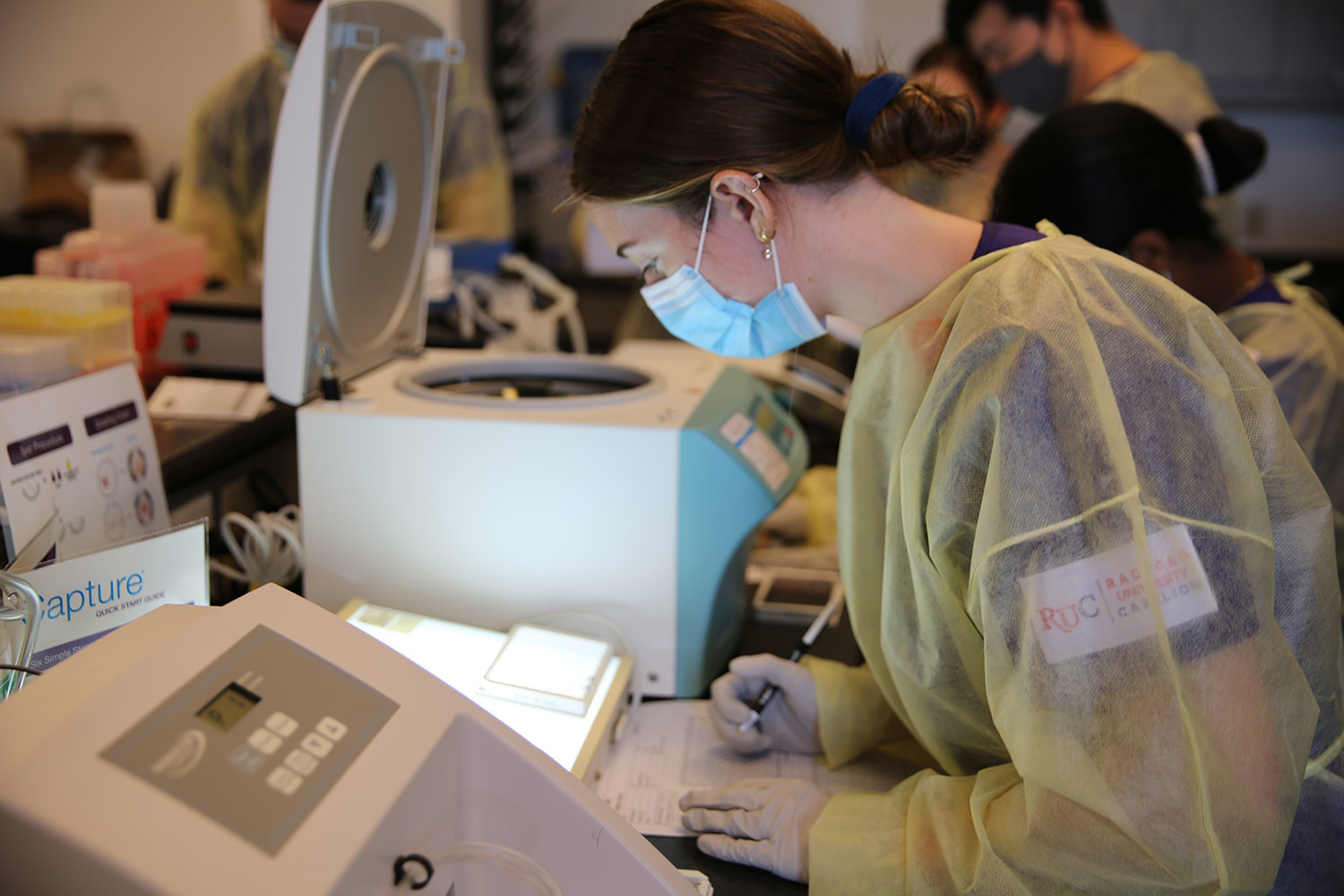
Data Quality in South Sudan’s Routine Health Information System: A Baseline Assessment
Read the full storyEvidence base
All approved publications
Approved studies with abstracts, methodologies and findings — reviewed through SSHIA's research committee before release.
 tech
tech31 Jul 2026
Adoption of DHIS2 in Conflict-Affected Settings: Lessons from South Sudan
We document the deployment of DHIS2 across South Sudan’s health system, highlighting infrastructure constraints, capacity-building approaches, and strategies for sustaining digital systems in fragile contexts.<p>Adoption of DHIS2 in Conflict-Affected Settings: Lessons from South Sudan is part of the South Sudan Health Informatics Association’s peer-reviewed research programme — work that sits at the heart of the association’s mission to strengthen the health information foundations of the national health system. The study is categorised under tech and was published through the association’s double-blind peer review pipeline, with methodology, findings and reference apparatus documented in the full record.</p><p>The association’s approach combines three elements that its field evidence shows matter most: certified people, disciplined routines and practical tools. Its training programme certifies health workers in data collection, quality assurance and data use; its mentorship network embeds those skills in county practice through supportive supervision; and its published standards and guidelines give every facility a common professional language for recording, checking and acting on information.</p><p>Members and partners are encouraged to engage directly with this work. Members can join the mentorship network, contribute to the knowledge base, and enrol in certified courses at preferential rates. Institutional partners can explore collaboration windows through the partnership pages, and county health departments can request mentorship support through the association’s programme offices. Progress across all association programmes is reported openly through the transparency and accountability pages, in keeping with the publication discipline the association asks of the health system itself.</p><p>For further information, updates and participation opportunities, follow the association’s News Centre, browse the training catalogue and mentorship programmes, or contact the secretariat directly through the Contact Us page. The association’s offices across South Sudan are listed with their contacts on the Our Offices page, and its current strategic plan, annual reports and policies are available for public download in the transparency section of this website.</p>
 clinical
30 Aug 2026
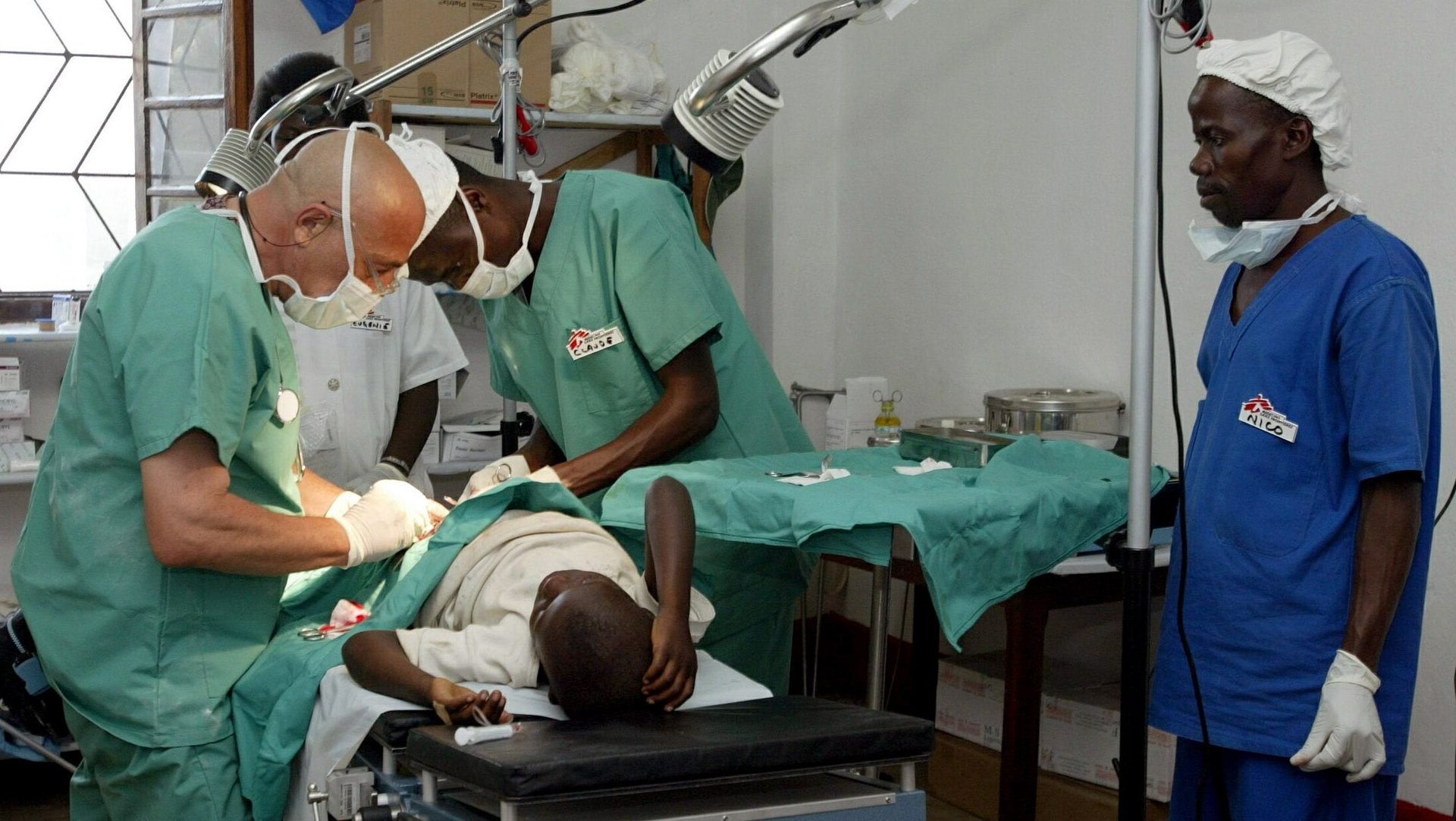
The Cost of Paper: Financial Modelling of Digital Health Records Transition
Five-year cost modelling comparing paper-based and electronic records across a simulated 100-bed hospital.<p>The Cost of Paper: Financial Modelling of Digital Health Records Transition is part of the South Sudan Health Informatics Association’s peer-reviewed research programme — work that sits at the heart of the association’s mission to strengthen the health information foundations of the national health system. The study is categorised under clinical and was published through the association’s double-blind peer review pipeline, with methodology, findings and reference apparatus documented in the full record.</p><p>The association’s approach combines three elements that its field evidence shows matter most: certified people, disciplined routines and practical tools. Its training programme certifies health workers in data collection, quality assurance and data use; its mentorship network embeds those skills in county practice through supportive supervision; and its published standards and guidelines give every facility a common professional language for recording, checking and acting on information.</p><p>Members and partners are encouraged to engage directly with this work. Members can join the mentorship network, contribute to the knowledge base, and enrol in certified courses at preferential rates. Institutional partners can explore collaboration windows through the partnership pages, and county health departments can request mentorship support through the association’s programme offices. Progress across all association programmes is reported openly through the transparency and accountability pages, in keeping with the publication discipline the association asks of the health system itself.</p><p>For further information, updates and participation opportunities, follow the association’s News Centre, browse the training catalogue and mentorship programmes, or contact the secretariat directly through the Contact Us page. The association’s offices across South Sudan are listed with their contacts on the Our Offices page, and its current strategic plan, annual reports and policies are available for public download in the transparency section of this website.</p><p>The association publishes its work openly: programme results appear in the transparency pages, peer-reviewed studies in the publications library, field lessons in the knowledge base, and official announcements in the press release centre. Verification of any certificate issued under the association’s programmes is available to the public through the certificate verification portal, and enquiries of every kind are welcomed through the inquiry form on the Contact Us page.</p>
tech30 Aug 2026
Machine Learning for Malaria Early Warning: Feasibility in Resource-Constrained Labs
We evaluate gradient-boosted models on routine surveillance data to predict county-level malaria surges four weeks ahead.<p>Machine Learning for Malaria Early Warning: Feasibility in Resource-Constrained Labs is part of the South Sudan Health Informatics Association’s peer-reviewed research programme — work that sits at the heart of the association’s mission to strengthen the health information foundations of the national health system. The study is categorised under tech and was published through the association’s double-blind peer review pipeline, with methodology, findings and reference apparatus documented in the full record.</p><p>The association’s approach combines three elements that its field evidence shows matter most: certified people, disciplined routines and practical tools. Its training programme certifies health workers in data collection, quality assurance and data use; its mentorship network embeds those skills in county practice through supportive supervision; and its published standards and guidelines give every facility a common professional language for recording, checking and acting on information.</p><p>Members and partners are encouraged to engage directly with this work. Members can join the mentorship network, contribute to the knowledge base, and enrol in certified courses at preferential rates. Institutional partners can explore collaboration windows through the partnership pages, and county health departments can request mentorship support through the association’s programme offices. Progress across all association programmes is reported openly through the transparency and accountability pages, in keeping with the publication discipline the association asks of the health system itself.</p><p>For further information, updates and participation opportunities, follow the association’s News Centre, browse the training catalogue and mentorship programmes, or contact the secretariat directly through the Contact Us page. The association’s offices across South Sudan are listed with their contacts on the Our Offices page, and its current strategic plan, annual reports and policies are available for public download in the transparency section of this website.</p>
social30 Aug 2026
A Framework for National Health Data Governance in Post-Conflict Settings
Drawing on comparative analysis of five post-conflict health systems, we propose a phased data governance framework adapted to South Sudan.<p>A Framework for National Health Data Governance in Post-Conflict Settings is part of the South Sudan Health Informatics Association’s peer-reviewed research programme — work that sits at the heart of the association’s mission to strengthen the health information foundations of the national health system. The study is categorised under social and was published through the association’s double-blind peer review pipeline, with methodology, findings and reference apparatus documented in the full record.</p><p>The association’s approach combines three elements that its field evidence shows matter most: certified people, disciplined routines and practical tools. Its training programme certifies health workers in data collection, quality assurance and data use; its mentorship network embeds those skills in county practice through supportive supervision; and its published standards and guidelines give every facility a common professional language for recording, checking and acting on information.</p><p>Members and partners are encouraged to engage directly with this work. Members can join the mentorship network, contribute to the knowledge base, and enrol in certified courses at preferential rates. Institutional partners can explore collaboration windows through the partnership pages, and county health departments can request mentorship support through the association’s programme offices. Progress across all association programmes is reported openly through the transparency and accountability pages, in keeping with the publication discipline the association asks of the health system itself.</p><p>For further information, updates and participation opportunities, follow the association’s News Centre, browse the training catalogue and mentorship programmes, or contact the secretariat directly through the Contact Us page. The association’s offices across South Sudan are listed with their contacts on the Our Offices page, and its current strategic plan, annual reports and policies are available for public download in the transparency section of this website.</p>
clinical30 Aug 2026
Clinical Documentation Quality Before and After EMR Deployment
Retrospective audit of 8,400 patient records comparing paper and electronic documentation completeness.<p>Clinical Documentation Quality Before and After EMR Deployment is part of the South Sudan Health Informatics Association’s peer-reviewed research programme — work that sits at the heart of the association’s mission to strengthen the health information foundations of the national health system. The study is categorised under clinical and was published through the association’s double-blind peer review pipeline, with methodology, findings and reference apparatus documented in the full record.</p><p>The association’s approach combines three elements that its field evidence shows matter most: certified people, disciplined routines and practical tools. Its training programme certifies health workers in data collection, quality assurance and data use; its mentorship network embeds those skills in county practice through supportive supervision; and its published standards and guidelines give every facility a common professional language for recording, checking and acting on information.</p><p>Members and partners are encouraged to engage directly with this work. Members can join the mentorship network, contribute to the knowledge base, and enrol in certified courses at preferential rates. Institutional partners can explore collaboration windows through the partnership pages, and county health departments can request mentorship support through the association’s programme offices. Progress across all association programmes is reported openly through the transparency and accountability pages, in keeping with the publication discipline the association asks of the health system itself.</p><p>For further information, updates and participation opportunities, follow the association’s News Centre, browse the training catalogue and mentorship programmes, or contact the secretariat directly through the Contact Us page. The association’s offices across South Sudan are listed with their contacts on the Our Offices page, and its current strategic plan, annual reports and policies are available for public download in the transparency section of this website.</p><p>The association publishes its work openly: programme results appear in the transparency pages, peer-reviewed studies in the publications library, field lessons in the knowledge base, and official announcements in the press release centre. Verification of any certificate issued under the association’s programmes is available to the public through the certificate verification portal, and enquiries of every kind are welcomed through the inquiry form on the Contact Us page.</p>
social30 Aug 2026
Community Health Worker Digital Tools: Uptake and Attrition in Three States
A 12-month longitudinal study of CHW digital tool adoption across Jonglei, Lakes and Western Equatoria.<p>Community Health Worker Digital Tools: Uptake and Attrition in Three States is part of the South Sudan Health Informatics Association’s peer-reviewed research programme — work that sits at the heart of the association’s mission to strengthen the health information foundations of the national health system. The study is categorised under social and was published through the association’s double-blind peer review pipeline, with methodology, findings and reference apparatus documented in the full record.</p><p>The association’s approach combines three elements that its field evidence shows matter most: certified people, disciplined routines and practical tools. Its training programme certifies health workers in data collection, quality assurance and data use; its mentorship network embeds those skills in county practice through supportive supervision; and its published standards and guidelines give every facility a common professional language for recording, checking and acting on information.</p><p>Members and partners are encouraged to engage directly with this work. Members can join the mentorship network, contribute to the knowledge base, and enrol in certified courses at preferential rates. Institutional partners can explore collaboration windows through the partnership pages, and county health departments can request mentorship support through the association’s programme offices. Progress across all association programmes is reported openly through the transparency and accountability pages, in keeping with the publication discipline the association asks of the health system itself.</p><p>For further information, updates and participation opportunities, follow the association’s News Centre, browse the training catalogue and mentorship programmes, or contact the secretariat directly through the Contact Us page. The association’s offices across South Sudan are listed with their contacts on the Our Offices page, and its current strategic plan, annual reports and policies are available for public download in the transparency section of this website.</p>
tech30 Aug 2026
Interoperability Barriers in South Sudanese Health Facilities: A Mixed-Methods Study
We surveyed 42 facilities to characterise technical and organisational barriers to health information exchange, finding infrastructure gaps and fragmented identifiers dominate.<p>Interoperability Barriers in South Sudanese Health Facilities: A Mixed-Methods Study is part of the South Sudan Health Informatics Association’s peer-reviewed research programme — work that sits at the heart of the association’s mission to strengthen the health information foundations of the national health system. The study is categorised under tech and was published through the association’s double-blind peer review pipeline, with methodology, findings and reference apparatus documented in the full record.</p><p>The association’s approach combines three elements that its field evidence shows matter most: certified people, disciplined routines and practical tools. Its training programme certifies health workers in data collection, quality assurance and data use; its mentorship network embeds those skills in county practice through supportive supervision; and its published standards and guidelines give every facility a common professional language for recording, checking and acting on information.</p><p>Members and partners are encouraged to engage directly with this work. Members can join the mentorship network, contribute to the knowledge base, and enrol in certified courses at preferential rates. Institutional partners can explore collaboration windows through the partnership pages, and county health departments can request mentorship support through the association’s programme offices. Progress across all association programmes is reported openly through the transparency and accountability pages, in keeping with the publication discipline the association asks of the health system itself.</p><p>For further information, updates and participation opportunities, follow the association’s News Centre, browse the training catalogue and mentorship programmes, or contact the secretariat directly through the Contact Us page. The association’s offices across South Sudan are listed with their contacts on the Our Offices page, and its current strategic plan, annual reports and policies are available for public download in the transparency section of this website.</p>
 social
21 Jul 2026
Health Workforce Capacity for Digital Health: A National Survey
A national survey of health workers’ digital literacy and training needs, revealing strong demand for structured health informatics education and mentorship programmes.<p>Health Workforce Capacity for Digital Health: A National Survey is part of the South Sudan Health Informatics Association’s peer-reviewed research programme — work that sits at the heart of the association’s mission to strengthen the health information foundations of the national health system. The study is categorised under social and was published through the association’s double-blind peer review pipeline, with methodology, findings and reference apparatus documented in the full record.</p><p>The association’s approach combines three elements that its field evidence shows matter most: certified people, disciplined routines and practical tools. Its training programme certifies health workers in data collection, quality assurance and data use; its mentorship network embeds those skills in county practice through supportive supervision; and its published standards and guidelines give every facility a common professional language for recording, checking and acting on information.</p><p>Members and partners are encouraged to engage directly with this work. Members can join the mentorship network, contribute to the knowledge base, and enrol in certified courses at preferential rates. Institutional partners can explore collaboration windows through the partnership pages, and county health departments can request mentorship support through the association’s programme offices. Progress across all association programmes is reported openly through the transparency and accountability pages, in keeping with the publication discipline the association asks of the health system itself.</p><p>For further information, updates and participation opportunities, follow the association’s News Centre, browse the training catalogue and mentorship programmes, or contact the secretariat directly through the Contact Us page. The association’s offices across South Sudan are listed with their contacts on the Our Offices page, and its current strategic plan, annual reports and policies are available for public download in the transparency section of this website.</p>
 clinical
11 Jul 2026
Mobile Data Collection for Immunisation Campaigns: Cost and Quality Trade-offs
Comparing paper-based and mobile data collection in supplementary immunisation activities across two states, with evidence on cost-efficiency and data quality outcomes.<p>Mobile Data Collection for Immunisation Campaigns: Cost and Quality Trade-offs is part of the South Sudan Health Informatics Association’s peer-reviewed research programme — work that sits at the heart of the association’s mission to strengthen the health information foundations of the national health system. The study is categorised under clinical and was published through the association’s double-blind peer review pipeline, with methodology, findings and reference apparatus documented in the full record.</p><p>The association’s approach combines three elements that its field evidence shows matter most: certified people, disciplined routines and practical tools. Its training programme certifies health workers in data collection, quality assurance and data use; its mentorship network embeds those skills in county practice through supportive supervision; and its published standards and guidelines give every facility a common professional language for recording, checking and acting on information.</p><p>Members and partners are encouraged to engage directly with this work. Members can join the mentorship network, contribute to the knowledge base, and enrol in certified courses at preferential rates. Institutional partners can explore collaboration windows through the partnership pages, and county health departments can request mentorship support through the association’s programme offices. Progress across all association programmes is reported openly through the transparency and accountability pages, in keeping with the publication discipline the association asks of the health system itself.</p><p>For further information, updates and participation opportunities, follow the association’s News Centre, browse the training catalogue and mentorship programmes, or contact the secretariat directly through the Contact Us page. The association’s offices across South Sudan are listed with their contacts on the Our Offices page, and its current strategic plan, annual reports and policies are available for public download in the transparency section of this website.</p>
 tech
tech1 Jul 2026
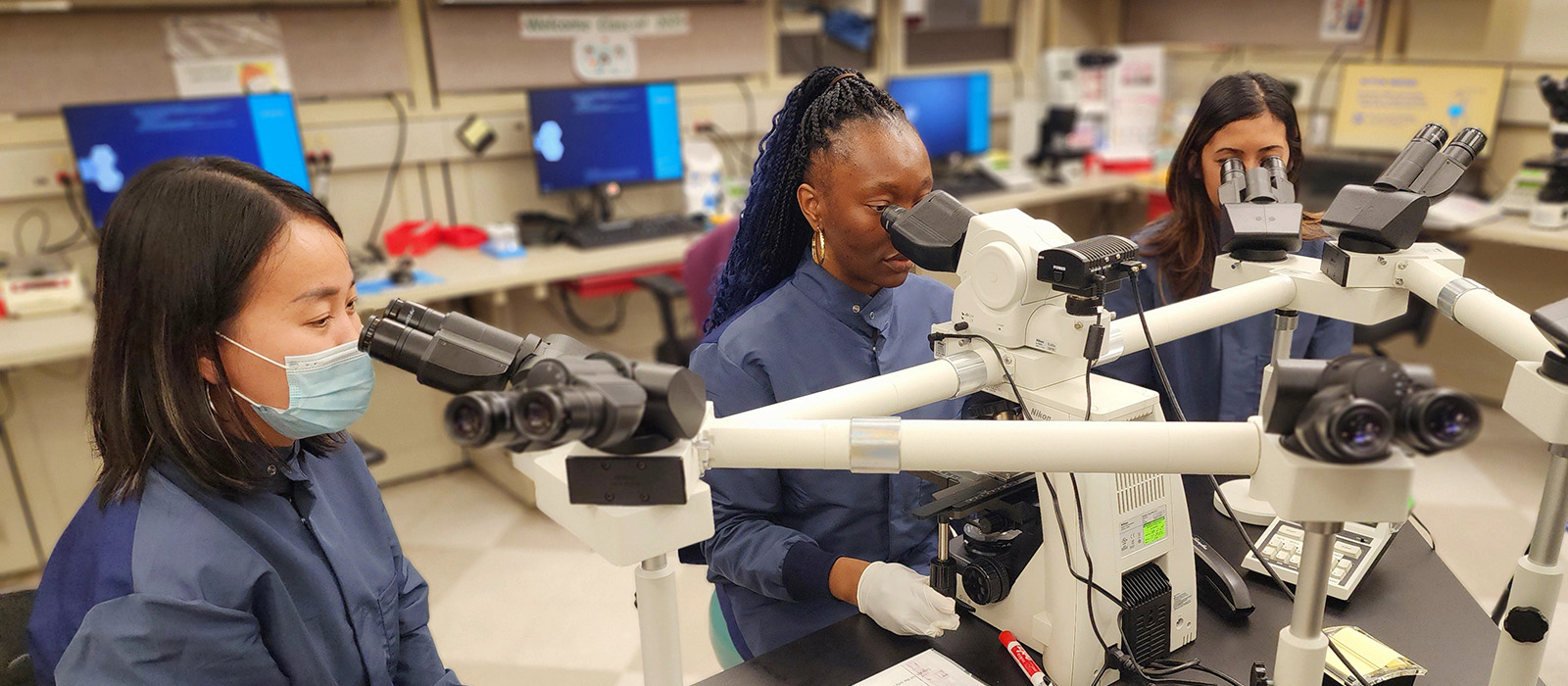
Interoperability Standards for Health Information Exchange in East Africa
A review of interoperability frameworks relevant to South Sudan and recommendations for national health information exchange architecture aligned with regional standards.<p>Interoperability Standards for Health Information Exchange in East Africa is part of the South Sudan Health Informatics Association’s peer-reviewed research programme — work that sits at the heart of the association’s mission to strengthen the health information foundations of the national health system. The study is categorised under tech and was published through the association’s double-blind peer review pipeline, with methodology, findings and reference apparatus documented in the full record.</p><p>The association’s approach combines three elements that its field evidence shows matter most: certified people, disciplined routines and practical tools. Its training programme certifies health workers in data collection, quality assurance and data use; its mentorship network embeds those skills in county practice through supportive supervision; and its published standards and guidelines give every facility a common professional language for recording, checking and acting on information.</p><p>Members and partners are encouraged to engage directly with this work. Members can join the mentorship network, contribute to the knowledge base, and enrol in certified courses at preferential rates. Institutional partners can explore collaboration windows through the partnership pages, and county health departments can request mentorship support through the association’s programme offices. Progress across all association programmes is reported openly through the transparency and accountability pages, in keeping with the publication discipline the association asks of the health system itself.</p><p>For further information, updates and participation opportunities, follow the association’s News Centre, browse the training catalogue and mentorship programmes, or contact the secretariat directly through the Contact Us page. The association’s offices across South Sudan are listed with their contacts on the Our Offices page, and its current strategic plan, annual reports and policies are available for public download in the transparency section of this website.</p>
Contribute to the evidence base
SSHIA members and partners can submit studies, field assessments and case reports for peer review. Approved work is published here and credited to its authors.