Results & Impact
Measurable outcomes from our programmes — updated continuously from live system data, not marketing claims.
Verified outcomes
Where the numbers come from
Each figure below is drawn from programme monitoring and follow-up surveys across supported counties and facilities. Select a card to explore the programme behind it.
Immunisation
Immunisation reporting
Counties supported by SSHIA mentors improved timely immunisation reporting from 41% to 87% within six months.
Training
DHIS2 capacity
120 health workers from 43 facilities certified in DHIS2 fundamentals in the latest cohort.
Data quality
Data quality
Facilities applying SSHIA data quality methods reduced monthly report discrepancies by two-thirds.
Mentorship
Mentorship outcomes
78% of mentees report taking on new data responsibilities within one year of programme completion.
Evidence base
Recent approved research
Peer-reviewed publications underpinning SSHIA’s programme results — reviewed and approved through our research committee.
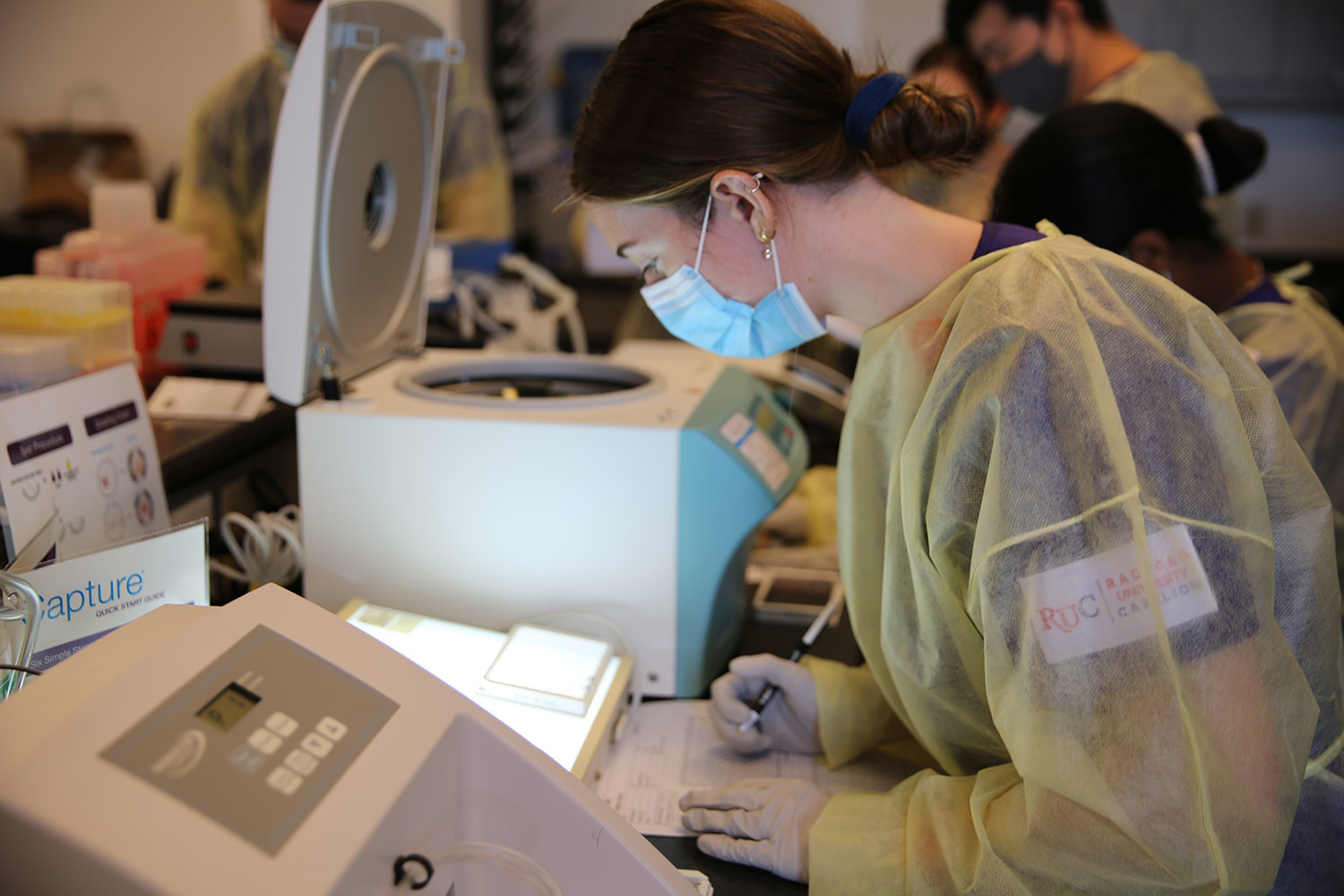
Data Quality in South Sudan’s Routine Health Information System: A Baseline Assessment
This study assesses the completeness, timeliness and accuracy of routine health data across 45 facilities in three states, identifying systemic gaps and proposing practical improvement interventions led by trained health information officers.<p>Data Quality in South Sudan’s Routine Health Information System: A Baseline Assessment is part of the South Sudan Health Informatics Association’s peer-reviewed research programme — work that sits at the heart of the association’s mission to strengthen the health information foundations of the national health system. The study is categorised under clinical and was published through the association’s double-blind peer review pipeline, with methodology, findings and reference apparatus documented in the full record.</p><p>The association’s approach combines three elements that its field evidence shows matter most: certified people, disciplined routines and practical tools. Its training programme certifies health workers in data collection, quality assurance and data use; its mentorship network embeds those skills in county practice through supportive supervision; and its published standards and guidelines give every facility a common professional language for recording, checking and acting on information.</p><p>Members and partners are encouraged to engage directly with this work. Members can join the mentorship network, contribute to the knowledge base, and enrol in certified courses at preferential rates. Institutional partners can explore collaboration windows through the partnership pages, and county health departments can request mentorship support through the association’s programme offices. Progress across all association programmes is reported openly through the transparency and accountability pages, in keeping with the publication discipline the association asks of the health system itself.</p><p>For further information, updates and participation opportunities, follow the association’s News Centre, browse the training catalogue and mentorship programmes, or contact the secretariat directly through the Contact Us page. The association’s offices across South Sudan are listed with their contacts on the Our Offices page, and its current strategic plan, annual reports and policies are available for public download in the transparency section of this website.</p>

Adoption of DHIS2 in Conflict-Affected Settings: Lessons from South Sudan
We document the deployment of DHIS2 across South Sudan’s health system, highlighting infrastructure constraints, capacity-building approaches, and strategies for sustaining digital systems in fragile contexts.<p>Adoption of DHIS2 in Conflict-Affected Settings: Lessons from South Sudan is part of the South Sudan Health Informatics Association’s peer-reviewed research programme — work that sits at the heart of the association’s mission to strengthen the health information foundations of the national health system. The study is categorised under tech and was published through the association’s double-blind peer review pipeline, with methodology, findings and reference apparatus documented in the full record.</p><p>The association’s approach combines three elements that its field evidence shows matter most: certified people, disciplined routines and practical tools. Its training programme certifies health workers in data collection, quality assurance and data use; its mentorship network embeds those skills in county practice through supportive supervision; and its published standards and guidelines give every facility a common professional language for recording, checking and acting on information.</p><p>Members and partners are encouraged to engage directly with this work. Members can join the mentorship network, contribute to the knowledge base, and enrol in certified courses at preferential rates. Institutional partners can explore collaboration windows through the partnership pages, and county health departments can request mentorship support through the association’s programme offices. Progress across all association programmes is reported openly through the transparency and accountability pages, in keeping with the publication discipline the association asks of the health system itself.</p><p>For further information, updates and participation opportunities, follow the association’s News Centre, browse the training catalogue and mentorship programmes, or contact the secretariat directly through the Contact Us page. The association’s offices across South Sudan are listed with their contacts on the Our Offices page, and its current strategic plan, annual reports and policies are available for public download in the transparency section of this website.</p>
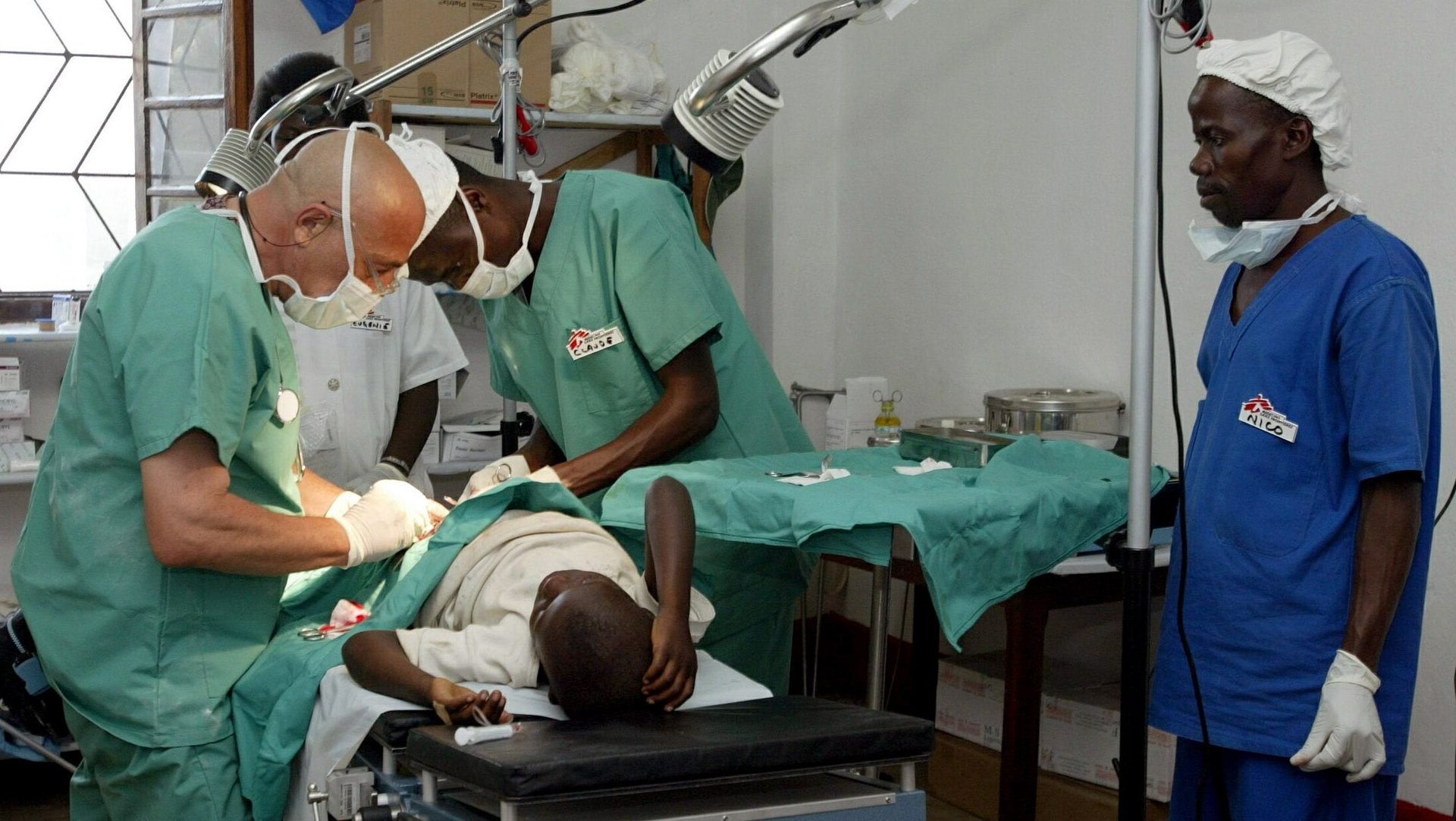
The Cost of Paper: Financial Modelling of Digital Health Records Transition
Five-year cost modelling comparing paper-based and electronic records across a simulated 100-bed hospital.<p>The Cost of Paper: Financial Modelling of Digital Health Records Transition is part of the South Sudan Health Informatics Association’s peer-reviewed research programme — work that sits at the heart of the association’s mission to strengthen the health information foundations of the national health system. The study is categorised under clinical and was published through the association’s double-blind peer review pipeline, with methodology, findings and reference apparatus documented in the full record.</p><p>The association’s approach combines three elements that its field evidence shows matter most: certified people, disciplined routines and practical tools. Its training programme certifies health workers in data collection, quality assurance and data use; its mentorship network embeds those skills in county practice through supportive supervision; and its published standards and guidelines give every facility a common professional language for recording, checking and acting on information.</p><p>Members and partners are encouraged to engage directly with this work. Members can join the mentorship network, contribute to the knowledge base, and enrol in certified courses at preferential rates. Institutional partners can explore collaboration windows through the partnership pages, and county health departments can request mentorship support through the association’s programme offices. Progress across all association programmes is reported openly through the transparency and accountability pages, in keeping with the publication discipline the association asks of the health system itself.</p><p>For further information, updates and participation opportunities, follow the association’s News Centre, browse the training catalogue and mentorship programmes, or contact the secretariat directly through the Contact Us page. The association’s offices across South Sudan are listed with their contacts on the Our Offices page, and its current strategic plan, annual reports and policies are available for public download in the transparency section of this website.</p><p>The association publishes its work openly: programme results appear in the transparency pages, peer-reviewed studies in the publications library, field lessons in the knowledge base, and official announcements in the press release centre. Verification of any certificate issued under the association’s programmes is available to the public through the certificate verification portal, and enquiries of every kind are welcomed through the inquiry form on the Contact Us page.</p>
Machine Learning for Malaria Early Warning: Feasibility in Resource-Constrained Labs
We evaluate gradient-boosted models on routine surveillance data to predict county-level malaria surges four weeks ahead.<p>Machine Learning for Malaria Early Warning: Feasibility in Resource-Constrained Labs is part of the South Sudan Health Informatics Association’s peer-reviewed research programme — work that sits at the heart of the association’s mission to strengthen the health information foundations of the national health system. The study is categorised under tech and was published through the association’s double-blind peer review pipeline, with methodology, findings and reference apparatus documented in the full record.</p><p>The association’s approach combines three elements that its field evidence shows matter most: certified people, disciplined routines and practical tools. Its training programme certifies health workers in data collection, quality assurance and data use; its mentorship network embeds those skills in county practice through supportive supervision; and its published standards and guidelines give every facility a common professional language for recording, checking and acting on information.</p><p>Members and partners are encouraged to engage directly with this work. Members can join the mentorship network, contribute to the knowledge base, and enrol in certified courses at preferential rates. Institutional partners can explore collaboration windows through the partnership pages, and county health departments can request mentorship support through the association’s programme offices. Progress across all association programmes is reported openly through the transparency and accountability pages, in keeping with the publication discipline the association asks of the health system itself.</p><p>For further information, updates and participation opportunities, follow the association’s News Centre, browse the training catalogue and mentorship programmes, or contact the secretariat directly through the Contact Us page. The association’s offices across South Sudan are listed with their contacts on the Our Offices page, and its current strategic plan, annual reports and policies are available for public download in the transparency section of this website.</p>
A Framework for National Health Data Governance in Post-Conflict Settings
Drawing on comparative analysis of five post-conflict health systems, we propose a phased data governance framework adapted to South Sudan.<p>A Framework for National Health Data Governance in Post-Conflict Settings is part of the South Sudan Health Informatics Association’s peer-reviewed research programme — work that sits at the heart of the association’s mission to strengthen the health information foundations of the national health system. The study is categorised under social and was published through the association’s double-blind peer review pipeline, with methodology, findings and reference apparatus documented in the full record.</p><p>The association’s approach combines three elements that its field evidence shows matter most: certified people, disciplined routines and practical tools. Its training programme certifies health workers in data collection, quality assurance and data use; its mentorship network embeds those skills in county practice through supportive supervision; and its published standards and guidelines give every facility a common professional language for recording, checking and acting on information.</p><p>Members and partners are encouraged to engage directly with this work. Members can join the mentorship network, contribute to the knowledge base, and enrol in certified courses at preferential rates. Institutional partners can explore collaboration windows through the partnership pages, and county health departments can request mentorship support through the association’s programme offices. Progress across all association programmes is reported openly through the transparency and accountability pages, in keeping with the publication discipline the association asks of the health system itself.</p><p>For further information, updates and participation opportunities, follow the association’s News Centre, browse the training catalogue and mentorship programmes, or contact the secretariat directly through the Contact Us page. The association’s offices across South Sudan are listed with their contacts on the Our Offices page, and its current strategic plan, annual reports and policies are available for public download in the transparency section of this website.</p>
Impact you can verify
Every result on this page traces back to a programme, a publication or a person. Dig into the research behind the numbers, or meet the people delivering them in the field.